![6 High-Probability Moments to Send LinkedIn Connection Requests Prior to an Event Events create natural relevance. Conferences, trade shows, user groups, and local meetups give you a reason to connect that does not feel forced. The mistake sellers make is waiting until the event starts or turning the request into a pitch. A better move is connecting days or weeks ahead with a simple acknowledgment of the shared event. Example: Hi Sarah, saw you’re attending the Midwest Manufacturing Summit next month. I’ll also be there and am super excited! I’d love to catch up in person at the event. In the meantime, let’s connect here on LinkedIn. You are aligning with something already on their calendar. When you see them at the event or reach out afterward, your name is no longer unfamiliar. Following an Event After an event, connection requests work best when they reference a real interaction, even a small one. A short conversation, a question during a session, or a brief introduction creates enough context. The request should reflect that moment, not attempt to convert it into a follow-up. Example: Tim, I enjoyed meeting you at the conference last week. Your take on [subject/trend/idea] was intriguing. I look forward to staying connected and to our next conversation. This reinforces continuity and professionalism without pushing the relationship forward prematurely. After a Sales Call Sending a connection request after a sales call is one of the most underused opportunities in prospecting. If the call was answered and productive, the request reinforces credibility and continuity. Example: Thanks again for the conversation today. I appreciated your perspective on how your team is thinking about next quarter. I look forward to our next meeting and sharing some ideas I have with you and your team. If the prospect did not answer, a connection request can still make sense as a light reinforcement, especially early in the relationship. It keeps your name present without escalating pressure. Either way, the request works because the call establishes legitimacy first. After a Meaningful Interaction Not all interactions happen in formal selling environments. Thoughtful exchanges in comment threads, group discussions, or brief conversations in passing all create natural moments to connect. That might mean running into each other at a non-work event, crossing paths at an airport, or chatting briefly in a line somewhere unexpected. Example: Haley, it was a pleasure meeting you on our flight to Atlanta. Thank you for your restaurant recommendations! I look forward to staying connected, What makes this work is that the interaction was real. The request simply continues it. Mutual Connections Shared connections reduce perceived risk when handled with restraint. They signal that you operate in similar professional circles, not that you have permission to pitch. The mistake is overexplaining or implying endorsement. Example: Hi Mark, I noticed that you are connected to my good friend, James, and since you are also [interested in, working in, located in] I thought it might make sense for us to be connected also. A simple acknowledgment is enough. Familiarity does the work. Profile Views Profile views signal awareness, not intent. When someone views your profile after a call, email, or content interaction, a connection request can make sense as a low-pressure acknowledgment. Example: Wendy, thank you for visiting my profile. I had a chance to look at yours, and based on your interests, I thought it might make sense for us to connect. The discipline is resisting the urge to read more into it than is there. Want the exact framework for integrating LinkedIn into a disciplined outreach sequence without pitching, spamming, or wasting time? Buy The LinkedIn Edge by Jeb Blount and Brynne Tillman today. Sales Gravy is the number one sales training organization](https://salesgravy.com/wp-content/uploads/2025/12/6-Moments-LinkedIn-Connection-Requests-Actually-Work-in-Prospecting-Sales-Gravy-Blog-Featured-Image-1024x535.jpg)
LinkedIn connection requests are misunderstood because sellers expect them to do work they were never designed to do.
A connection request is not a pitch. It does not advance a deal. It does not earn you a meeting.
Used correctly, a connection request supports a disciplined prospecting sequence built on calls, emails, and consistency. Used incorrectly, it creates friction you spend the rest of the cycle trying to undo.
Where LinkedIn Connection Requests Fit in Prospecting Sequences
LinkedIn doesn’t replace cold calls or email. It plays a supporting role between direct touches, helping your name feel familiar instead of foreign.
When a prospect recognizes you, your call feels less intrusive. Your email feels more credible. That recognition builds through repeated, professional exposure.
Automation, pitching, and urgency undermine the entire purpose. Connection requests work best when they are tied to real moments and real effort, not volume.
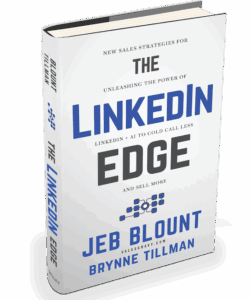
My book, The LinkedIn Edge, gives you the master blueprint for turning LinkedIn into an optimized, revenue-generating sales engine.
Learn to work LinkedIn like a professional with step-by-step, immediately actionable tactics that supercharge your presence on the world’s largest networking platform. Get it today wherever books are sold.
6 High-Probability Moments to Send LinkedIn Connection Requests
Prior to an Event
Events create natural relevance. Conferences, trade shows, user groups, and local meetups give you a reason to connect that does not feel forced.
The mistake sellers make is waiting until the event starts or turning the request into a pitch. A better move is connecting days or weeks ahead with a simple acknowledgment of the shared event.
Example:
Hi Sarah, saw you’re attending the Midwest Manufacturing Summit next month. I’ll also be there and am super excited! I’d love to catch up in person at the event. In the meantime, let’s connect here on LinkedIn.
You are aligning with something already on their calendar. When you see them at the event or reach out afterward, your name is no longer unfamiliar.
Following an Event
After an event, connection requests work best when they reference a real interaction, even a small one.
A short conversation, a question during a session, or a brief introduction creates enough context. The request should reflect that moment, not attempt to convert it into a follow-up.
Example:
Tim, I enjoyed meeting you at the conference last week. Your take on [subject/trend/idea] was intriguing. I look forward to staying connected and to our next conversation.
This reinforces continuity and professionalism without pushing the relationship forward prematurely.
After a Sales Call
Sending a connection request after a sales call is one of the most underused opportunities in prospecting.
If the call was answered and productive, the request reinforces credibility and continuity.
Example:
Thanks again for the conversation today. I appreciated your perspective on how your team is thinking about next quarter. I look forward to our next meeting and sharing some ideas I have with you and your team.
If the prospect did not answer, a connection request can still make sense as a light reinforcement, especially early in the relationship. It keeps your name present without escalating pressure.
Either way, the request works because the call establishes legitimacy first.
After a Meaningful Interaction
Not all interactions happen in formal selling environments.
Thoughtful exchanges in comment threads, group discussions, or brief conversations in passing all create natural moments to connect. That might mean running into each other at a non-work event, crossing paths at an airport, or chatting briefly in a line somewhere unexpected.
Example:
Haley, it was a pleasure meeting you on our flight to Atlanta. Thank you for your restaurant recommendations! I look forward to staying connected,
What makes this work is that the interaction was real. The request simply continues it.
Mutual Connections
Shared connections reduce perceived risk when handled with restraint.
They signal that you operate in similar professional circles, not that you have permission to pitch. The mistake is overexplaining or implying endorsement.
Example:
Hi Mark, I noticed that you are connected to my good friend, James, and since you are also [interested in, working in, located in] I thought it might make sense for us to be connected also.
A simple acknowledgment is enough. Familiarity does the work.
Profile Views
Profile views signal awareness, not intent.
When someone views your profile after a call, email, or content interaction, a connection request can make sense as a low-pressure acknowledgment.
Example:
Wendy, thank you for visiting my profile. I had a chance to look at yours, and based on your interests, I thought it might make sense for us to connect.
The discipline is resisting the urge to read more into it than is there.
Creating Familiarity Before You Connect With Strangers
Connecting with people you have never met works best when familiarity is created before the request is sent.
That familiarity comes from visible engagement. Thoughtful comments on posts, responding to ideas they share, or contributing meaningfully to conversations in their space increases the likelihood that your name is recognized when the request arrives.
This is about showing up consistently where your prospects already pay attention.
Strangers aren’t leads. They are future conversations. The goal is recognition first, not movement.
Building a Sustainable LinkedIn Rhythm
Connection requests should follow the same discipline as the rest of your prospecting.
Block time intentionally. Tie requests to specific moments such as calls, events, or interactions. Avoid sending them reactively or out of boredom.
A small number of well-timed requests aligned with work you are already doing will outperform random bursts of activity every time. LinkedIn works best when it amplifies effort, not when it tries to replace it.
Why Discipline Wins with LinkedIn Connection Requests
Used with intention, LinkedIn connection requests soften future calls, legitimize follow-up emails, and reinforce credibility over time.
Used carelessly, they create resistance that makes everything harder.
The sellers who get this right aren’t chasing attention or engagement. They are reinforcing consistency. They respect the sequence, stay patient, and let familiarity do its work.
That is when connection requests stop feeling awkward and start becoming an advantage.
Want the exact framework for integrating LinkedIn into a disciplined outreach sequence without pitching, spamming, or wasting time? Buy The LinkedIn Edge by Jeb Blount and Brynne Tillman today.