Inside Ramsey Solutions’ Coaching Framework for High-Performance Sales Teams
Podcast: Play in new window | Embed
Subscribe: Apple Podcasts | Spotify | Amazon Music | Pandora | iHeartRadio | Email | RSS
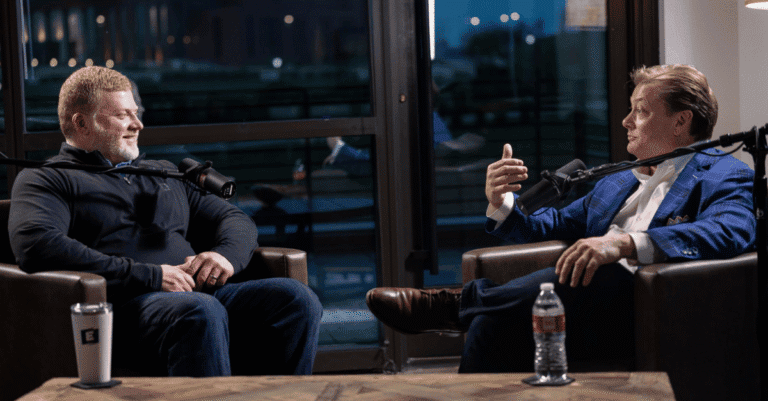
I spent an afternoon at Ramsey Solutions in Tennessee with Jason Williams, Vice President of Sales for the EntreLeadership Division. What stood out wasn’t the size of the operation or the fancy building. It







![6 High-Probability Moments to Send LinkedIn Connection Requests Prior to an Event Events create natural relevance. Conferences, trade shows, user groups, and local meetups give you a reason to connect that does not feel forced. The mistake sellers make is waiting until the event starts or turning the request into a pitch. A better move is connecting days or weeks ahead with a simple acknowledgment of the shared event. Example: Hi Sarah, saw you’re attending the Midwest Manufacturing Summit next month. I’ll also be there and am super excited! I’d love to catch up in person at the event. In the meantime, let’s connect here on LinkedIn. You are aligning with something already on their calendar. When you see them at the event or reach out afterward, your name is no longer unfamiliar. Following an Event After an event, connection requests work best when they reference a real interaction, even a small one. A short conversation, a question during a session, or a brief introduction creates enough context. The request should reflect that moment, not attempt to convert it into a follow-up. Example: Tim, I enjoyed meeting you at the conference last week. Your take on [subject/trend/idea] was intriguing. I look forward to staying connected and to our next conversation. This reinforces continuity and professionalism without pushing the relationship forward prematurely. After a Sales Call Sending a connection request after a sales call is one of the most underused opportunities in prospecting. If the call was answered and productive, the request reinforces credibility and continuity. Example: Thanks again for the conversation today. I appreciated your perspective on how your team is thinking about next quarter. I look forward to our next meeting and sharing some ideas I have with you and your team. If the prospect did not answer, a connection request can still make sense as a light reinforcement, especially early in the relationship. It keeps your name present without escalating pressure. Either way, the request works because the call establishes legitimacy first. After a Meaningful Interaction Not all interactions happen in formal selling environments. Thoughtful exchanges in comment threads, group discussions, or brief conversations in passing all create natural moments to connect. That might mean running into each other at a non-work event, crossing paths at an airport, or chatting briefly in a line somewhere unexpected. Example: Haley, it was a pleasure meeting you on our flight to Atlanta. Thank you for your restaurant recommendations! I look forward to staying connected, What makes this work is that the interaction was real. The request simply continues it. Mutual Connections Shared connections reduce perceived risk when handled with restraint. They signal that you operate in similar professional circles, not that you have permission to pitch. The mistake is overexplaining or implying endorsement. Example: Hi Mark, I noticed that you are connected to my good friend, James, and since you are also [interested in, working in, located in] I thought it might make sense for us to be connected also. A simple acknowledgment is enough. Familiarity does the work. Profile Views Profile views signal awareness, not intent. When someone views your profile after a call, email, or content interaction, a connection request can make sense as a low-pressure acknowledgment. Example: Wendy, thank you for visiting my profile. I had a chance to look at yours, and based on your interests, I thought it might make sense for us to connect. The discipline is resisting the urge to read more into it than is there. Want the exact framework for integrating LinkedIn into a disciplined outreach sequence without pitching, spamming, or wasting time? Buy The LinkedIn Edge by Jeb Blount and Brynne Tillman today. Sales Gravy is the number one sales training organization](https://salesgravy.com/wp-content/uploads/2025/12/6-Moments-LinkedIn-Connection-Requests-Actually-Work-in-Prospecting-Sales-Gravy-Blog-Featured-Image-768x401.jpg)