The Business Handshake: Types, Meaning, and How to Do It Right
Quick Summary A good handshake is firm but not crushing, palm to palm with the webs of your hands meeting, paired with eye contact and a smile, and lasting about two or three seconds.

Quick Summary The most effective way to follow up with a prospect is to make it structured instead of hoping they call you back. Set a specific day and time for the next contact

If you’ve earned a real database through years of cold calling, you stop the eight-hour grind, not the activity itself. You still need a steady trickle of new contacts coming in every week to

Quick Summary A strong sales follow-up call starts before the first call even ends. Lock in a specific date and time, then show up prepared and exactly on time. Open by reminding the prospect

The accounts you feel safest about are the ones you’re most likely to lose. When account managers grow familiar with long-term clients, familiarity quietly hardens into complacenct.
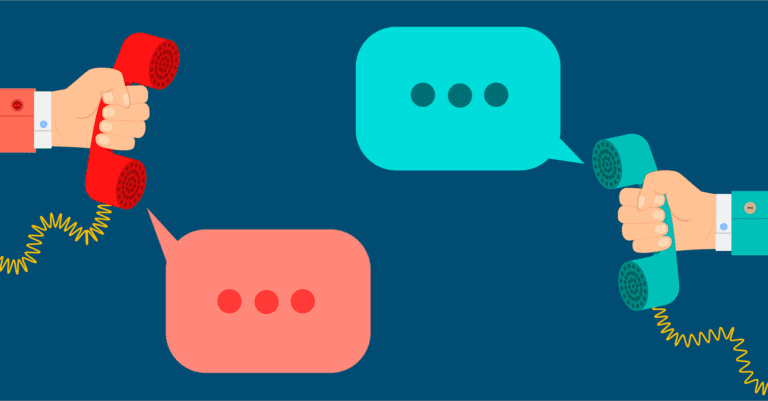
Here is the thing worth remembering. You don’t like being passed from person to person on the phone. Your customers don’t like it any better.

Quick Summary An effective cold calling approach isn’t about a slicker pitch — it’s about earning the right to a conversation. The five elements below are research, asking questions, listening, honesty, and follow-through. Cold
To follow up without being pushy, stop assuming silence means rejection, bring value to every touchpoint, and vary your communication channel until the prospect responds. Key Takeaways: Why Silence Doesn’t Mean No Have you

Jumping in to save a rep’s deal feels like leadership, but it trains your team to call you instead of solving problems themselves. Real sales leadership means coaching the rep, not closing the deal

If you want to know how to scale a sales team, document your sales process and prove your close rate before you add headcount, then decide whether your next hire is a leader or
To prioritize prospects effectively, evaluate every opportunity using three variables: lead temperature, sales cycle timing, and deal size. Together, these factors show which prospects deserve immediate action, which need ongoing nurturing, and which belong in automation. Key Takeaways Why do so

When should you ask questions on a cold call? Questions come after you’ve earned the right, when you’re gathering information and qualifying, and they lead the conversation only when the prospect contacted you first.

To prospect for new clients, stop making random touches and run a consistent five-step system. Work this system every day and you gain control of your pipeline, along with the peace of mind that

Salespeople fail at cold calling for five common reasons. Fix them and the phone starts producing appointments again.
Email response rates are collapsing because decision maker inboxes are stuffed with automated, AI-written slop. This is exactly why the phone is more powerful today than it was ten years ago.

Quick Summary Cold calling anxiety is not a symptom of weakness. It’s human and natural to feel fear when you cold call. You are interrupting a stranger who was not expecting you, and everything

Fear of the phone is quietly draining sales pipelines, and the reps who win are the ones willing to stop hiding behind email and LinkedIn and simply make the call.

Salespeople seek a magic window that makes cold calling easy. When prospects answer happy, say yes without a fight, and book the meeting themselves. So, is there a best time to call?

Short Answer Yes, you can make cold calling fun, and it is worth doing, because the reps who enjoy the phone are the ones who stay on it. Fun is not a personality trait

Success in sales is paid for in advance with prospecting. If you are not willing to pay this price, get out now. Go do something else. Life is far too short to spend it

Steal this trial close technique and exact scripts to motivate buyers to make decisions and act without making big price concessions.
Salespeople fail at cold calling for five common reasons. Fix them and the phone starts producing appointments again.

Most salespeople are looking for the secret edge that will move them to the top of the sales ranking report. The truth though is that there isn’t just one thing that separates top performing

Short Answer How honest should you be in sales? Completely. The moment a customer catches you in even a small lie, like fudging how long a meeting will run, they have every reason to

The best pitch I’ve ever heard about didn’t have a single slide. It had an ax, an elevator, and a crowd that had no idea what was about to happen. The sales storytelling techniques

Sales complacency is the silent performance killer that sets in after winning — and the only defense is returning to the fundamentals that built your success in the first place. Key Takeaways When Success

Quick Summary Reading buyer signals means recognizing the behavioral and psychological cues prospects send before they ghost you, and using that information to keep deals moving toward a real decision. Key Takeaways Listen to

When results drop and motivation fades, the fix is to increase your prospecting activity above your normal baseline, not wait until you feel ready. More calls create more conversations, more conversations create more opportunities,

No matter your industry or deal size, mastering how to negotiate in sales comes down to seven rules that protect your leverage and win more profitable deals.
Here’s the scenario that’s playing out in sales organizations everywhere right now: Your team fought through a brutal first half of the year, rallied momentum in the second half, crushed their numbers, and now

You’re Coachable, But Are You Truly Humble? You’ve been coachable your entire career. You take feedback, adjust your approach, read books, listen to podcasts, and implement what works. Yet being coachable doesn’t automatically make

The automated “Great job, team!” email blasted to 47 people at 4:37 PM on a Friday isn’t authentic appreciation. Neither is the generic gift basket ordered by someone in HR who’s never met your

To a sales leader, it’s a familiar story.Month one: Your new SDR is on fire. Energy through the roof. They’re excited about cold calling.Month two: Still strong. Meetings are getting booked. Dashboard looks good.Month

This time of year is critical. As sales leaders map out their budgets for the new year, the conversation always centers on a core conflict: How to cut expenses and, simultaneously, motivate teams to

Here’s a question that’ll keep you up at night: How do you take a company from $300K in annual revenue to $1.5 million in 18 months, then scale to $3-$5 million within five years?

Your sales team has the tools. They know the pitch. The CRM is full of leads. So why are half your reps still missing quota? The real issue? Most sales leaders are managing activity

Walk into any sales conference, scroll through LinkedIn, or join a sales team meeting, and you’ll hear the same tired arguments: cold calling versus social selling, interruption versus relationship-building, quantity versus quality. The sales

Leadership is the single most important factor in a sales team’s success. You can have talented reps, strong products, and a solid sales process, but without effective leadership, performance stalls. As Duff Tucker, Sales